Rated 4.9/5




























Our Solution Frameworks
Turning Data into Action Across the Sustainability Journey
Our solutions turn sustainability goals into measurable outcomes—combining data, automation, and strategy to simplify compliance, accelerate decarbonization, and unlock business value.

GHG Accounting & Monitoring
Track, measure, and manage emissions across all SCOPE 1, 2, 3 for accurate sustainability performance.

Seamless Supplier Network On-Boarding & Integration
Digitally connect and streamline supplier sustainability data, rank and compare suppliers for unified visibility.

Compliances & Reporting Readiness
Streamline reporting with global frameworks like CBAM, ESG, BRSR, GRI, CSRD and registrations like CDP, Ecovadis, DJSI, SA.

Seamless Workflow Automation
Eliminate manual processes with intelligent automation, ensuring efficiency, accuracy, and seamless sustainability operations.

Reduction Roadmap & Net Zero Stewardship
Identify emission hotspots & ESG Gap, to design actionable pathways & achieve net-zero goals.

Business Innovation & Impact Strategy
Translate sustainability efforts into measurable business value, risk reduction, and growth opportunities.
Our Features & Benefits
The AI Engine at the Heart of Sustainable Transformation
At the core of our solutions is an AI-enabled Sustainability Intelligence Platform—streamlining compliance, enhancing performance, and powering timely, data-driven decisions."
Zero-Touch Data Ingestion With SAP, ERP + API Connectors
Automate data flow seamlessly, eliminating manual errors and delays.
Robust Dashboards With KPIs And Audit Trails
Track performance with precision and maintain full transparency for audits.
Single, Unified View For Factories And Suppliers
Gain complete visibility of operations and supply chains in one place.
Investor & Buyer-Ready Outputs And Supplier Scorecards
Share credible, audit-ready ESG outputs that enhance ratings and trust.
Subscription-Based Set Of Dashboards For Business Users
Scale as you grow with cost-effective, on-demand access to insights.
Compliance-Ready, Industry-Specific Modules
Simplify ESG and regulatory tasks with tailored modules for your sector.
Solutions
Advanced Solutions for Sustainable Growth

Partners
Driving Sustainability with 120+ Global Partners
Only Good collaborates with leading businesses, suppliers, and organizations to drive carbon reduction and compliance excellence. Our growing network helps create smarter, greener supply chains with AI-driven solutions. Join us in building a sustainable future with seamless CBAM compliance and impactful ESG strategies.







Blogs
Recent Blogs







Explain CBAM Compliance and its importance
CBAM stands for Carbon Border Adjustment Mechanism. CBAM compliance for exporters in India helps a company meet the green carbon standards before being imported. It is evident to everyone that CBAM compliance is compulsory for every individual and organization to a very great extent to avoid incurring an additional burden of penalties along with the rest of the world to satisfy global sustainability goals.
In what ways can carbon tracking improve sustainability efforts?
With the tracker, it's possible for every industry to avoid manual errors. Carbon tracking also helps in improving real-time insights that let a business know its goal of reaching carbon reduction.
How does ESG reporting help businesses?
Reporting contributes to transparency, earns investors' trust, and organizes compliance with regulation. It is in the ESG report that disclosure is made regarding a company's environmental sustainability, social utility, and corporate governance practices. Investors, stakeholders, and consumers are increasingly favouring companies with heavy hands-on ESG initiatives.
What are the CBAM risks for businesses?
CBAM risks include financial penalties, increased operational expenses, and possible restrictions on trade for companies that fail to meet carbon borders. You also have a non-compliance clause: loss of a company's reputation, markets, and supply disruption. Moreover, carbon misreporting may attract regulatory scrutiny as well as higher carbon tariffs.
What do companies need to do to ensure supply chain sustainability?
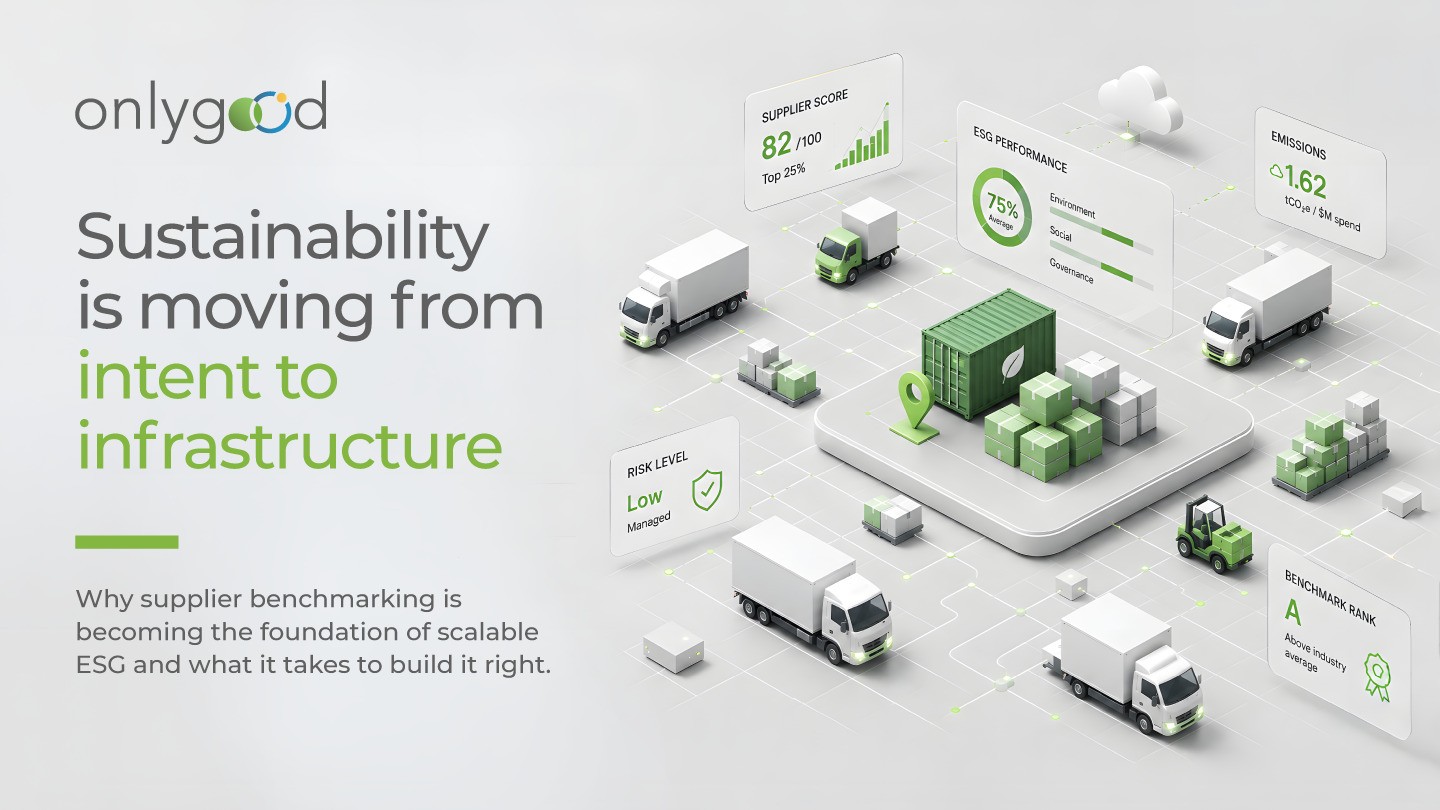
The first measure that all businesses should undertake for establishing a sustainable supply chain is: profiling and rating their suppliers by emissions intensity and sustainability practices, for instance, emissions tracking, responsible sourcing, and greener processes among suppliers. Some possibilities might include the setting of sustainability benchmarks, co-partnering on engagement initiatives to reduce emission footprints and automated end-to-end platforms for data integration with their suppliers.
How does supplier data get into the platform?
A parent can invite suppliers to onboard from within the platform. Once a supplier accepts an invite, they can enter their Scope 1 and 2 data in their own instance of the platform, and the parent enterprise's corresponding Scope 3 data automatically updated. A supplier is able to adjust the method of attribution each time the data is entered.
How does CBAM carbon pricing impact Indian manufacturers?
CBAM carbon pricing for Indian manufacturers applies to export to regions with carbon border regulations, like the EU. It imposes costs based on the carbon footprint of its products, meaning higher emissions result in higher tariffs.
What are the advantages of using real-time emission monitoring?
Real-time emission monitoring is beneficial for continuous monitoring and data analysis for carbon footprint management. Advantages include better regulatory compliance, early detection of high-emission areas, and proactiveness in strategic changes.
Is compliance automation helpful to businesses?
Automating compliance means that compliance is now simplified through streamlining data collection, validation, and reporting. Thus, there wouldn't have to be any penalties, short work, or inaccuracy in carbon tracking and ESG reporting. Real-time updates on policy shifts via automated compliance tools ensure that businesses are ahead of the curve in regulations.
How can businesses reduce and track their Carbon emissions?
Companies can track by using AI-based platforms which source data from energy use, supply chain activities, and transportation, among others, while emissions reductions can be achieved through the adoption of energy-efficient technologies, utilization of renewable energy sources shifting towards efficient logistics, and collaboration with suppliers on how to cut carbon amounts.
What is a CBAM certificate for exporters?
CBAM Certificate is a governmental document in which exporters need to declare the carbon embedded in their sales when trading in CBAM markets like the EU. Under carbon pricing regulation, those exporters will then buy CBAM certificates according to the emissions of their products reported in order to get compliance.
How can businesses prepare for compliance with CBAM?
Tracking accurate carbons could be the first step for most businesses to prepare themselves for CBAM compliance by implementing low-carbon technologies and having a transparent supply chain. Data collection and reporting could be automated so that organizations can have an easy migration path during the regulation transformation.